
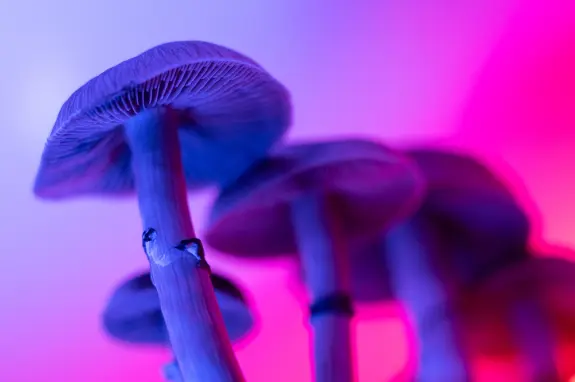
While much of the research on psychedelics has centred on their clinical potential, applied in a therapeutic context to treat a range of different mental afflictions, there is a growing body of evidence to suggest that psychedelic use can also lead to “the betterment of well people”, to quote Bob Jesse. Bob Jesse, following a meeting with Johns Hopkins psychopharmacologist Roland Griffiths, helped fire the initial sparks that ignited a pioneering study on the effect of psilocybin in healthy, spiritually interested and active people. Jesse was interested in psychedelics not due to their clinical or therapeutic potential, but rather for their spiritual effects.
Pioneering Research in Modern Times
This study, published in 2006, acted as a green light to other research groups elsewhere in the world, showing that psychedelics could be administered safely and to high standards of scientific rigour, generating compelling findings warranting further research. Two months after dosing, around two-thirds of study participants rated the high-dose psilocybin experience to be either the single most meaningful experience of their lives, or among the top five most meaningful experiences, with a third of individuals rating it as the single most spiritually significant event of their lives. In a longer-term 14-month follow-up, 58% of people stated that the experience was among the five most personally significant of their lives, with 67% claiming it was one of the most spiritually meaningful in their lives, with 64% of individuals also noting an increased sense of well-being and life satisfaction.
In another study conducted on healthy, psychedelic-naive subjects by the Johns Hopkins team, high-dose psilocybin sessions evoked mystical-type experiences in 72% of volunteers and resulted in sustained positive changes in attitudes, mood, and behaviour. At 14 months after dosing, ratings were undiminished and were consistent with changes rated by community observers, with 94% of study volunteers stating that their well-being or life satisfaction had been increased moderately or very much by their psilocybin experiences, with 89% reporting moderate or higher changes in positive behaviour.
One unique and compelling feature of psychedelics is their capacity to elicit sustained effects, following just a single experience. In a classic study known as “The Good Friday Experiment,” a single high dose of psilocybin was administered to divinity students, with the majority reporting a complete mystical experience as a result. A follow-up interview survey conducted between 24 and 27 years after the original study revealed that study participants felt strongly that they had continued to benefit from their experience, reporting a deepened appreciation of life and nature, as well as enhanced joy, a deepened sense of spirituality, and appreciation for unusual experiences and emotions.
What About the Risks of Psychedelics?
Before delving more deeply into the potential benefits of psychedelic use, it is important to touch on the potential risks. While classical psychedelics are generally considered to be physically safe and physiologically non-toxic and non-addictive, any substance possessing the ability to so deeply shift the substrate of our conscious experience is going to incur potential risks. Many of these risks can be countered by suitable preparation and paying attention to ‘set and setting’. But for a certain small fraction of people, psychedelic use can cause problems.
While psychedelics are being used to treat PTSD (when administered in a therapeutic or shamanic context), psychedelic experiences can themselves potentially be traumatising, resulting in PTSD symptoms in some cases. Psychedelic use may potentially result in ontological shock and existential distress (the state of disorientation and anxiety that may accompany a dramatic and sudden change in an individual’s functional understanding of reality). Psychedelic use is known to be a potential risk factor for evoking psychosis if there is an underlying propensity. Further research has identified difficulties following psychedelic use, including anxiety, changes in self-concept, and social disconnection, while other research has identified more extended difficulties resulting from psychedelic use, including feelings of anxiety and fear, existential struggle, social disconnection, depersonalisation, and derealisation, with symptoms persisting for over a year in some cases. Psychedelic use has been associated with hallucinogen persisting perception disorder (HPPD), characterised by episodes of altered perception which may be accompanied by distress and functional impairment.
It should also be considered that psychedelics may not need to be used to yield the number of benefits they have been associated with. A committed spiritual or meditation practice is likely to yield some of the same fruits as psychedelic usage, although such practices are themselves not without risks.
The Importance of the Mystical Experience
The mystical or peak experiences (or states of oceanic boundlessness) that psychedelics can elicit have been observed to predict long-term positive outcomes in healthy as well as clinical populations. Mystical experiences encompass experiential facets of unity, oneness and interconnectedness, transcendence of time and space, deeply felt positive mood (joy, peace, and love), a sense of sacredness, reverence or awe, ineffability, and a noetic quality (an intuitive belief that what is being revealed has authenticity and validity). The mystical experiences elicited by psychedelics are considered to be no less real and no less impactful than such experiences occurring spontaneously outside of a psychedelic context.
The mystical experience under psychedelics has been reported to be predictive of a variety of psychological changes following a psychedelic experience, including shifts in values, personality, spirituality, connectedness to self, others, and world, trait mindfulness, and improvements in mental health and psychological well-being, life satisfaction, and life meaning and purpose, in addition to positive changes in attitudes, moods, and behaviour. Such shifts can be sustained for at least 14 months post experience and can be elicited by a single experience. Psychedelic-evoked mystical experiences have also been associated with enduring self-reported positive changes in creativity and in relationships with self and with nature. Outside of a psychedelic context, the occurrence of mystical experiences has been associated with a deepened appreciation for life, prosocial feelings for others, a greater sense of life meaning and purpose, greater self-acceptance and spirituality, and increased concern for social and planetary values, with intensity of experience associated with greater overall change.
However, it should be remembered that psychedelic experiences are complex and multi-faceted, and other elements of such experiences, such as emotional breakthrough, have also been linked to increases in well-being following the psychedelic session, alongside experiences of psychological insight, increases in connectedness, and increased neural entropy.
Well-Being and Life Meaning
Psychedelics are consistently linked to improvements in various measures of subjective well-being. One review of psychedelic use (including usage of psilocybin, ayahuasca, LSD, and 5-MeO-DMT) indicated that psychedelic usage was consistently linked to various elements of well-being, including positive emotions, engagement, relationships, meaning, and accomplishment. One review of studies focusing on psilocybin alone reported that its usage was associated with facets of well-being such as self-acceptance, positive relationships, and a sense of meaning and purpose in life. One prospective, longitudinal study of psilocybin use in a naturalistic context reported increased cognitive flexibility, emotion regulation, spiritual well-being, and extraversion, and reduced neuroticism and burnout after psilocybin use (although a small minority of participants reported persistent negative effects such as mood fluctuations and depressive symptoms).
Psychedelics have also been implicated in deepening a sense of life meaning and purpose. Converging evidence from multiple studies in different contexts – such as a randomised clinical trial of psilocybin for depression, controlled administration of psilocybin in a single-arm healthy volunteer study, and an observational study of psilocybin usage in a naturalistic retreat context – suggests that psychedelics such as psilocybin can reliably enhance a sense of life meaning, which is an integral part of eudaimonic well-being.
A growing number of studies are revealing that psychedelics can elicit shifts in trait mindfulness (i.e. an individual’s stable tendency to maintain a non-judgmental and non-reactive awareness of their thoughts, emotions, and experiences in the present moment). An enhanced ability to live in the present moment that mindfulness encompasses has been associated with psychological well-being.
Experience with psychedelics has also been associated with enhancing one’s sense of gratitude and appreciation for life. A deeper sense of gratitude has been linked to a range of benefits, including strengthened relationships and the seeding of social and cultural cohesion and prosocial behaviours towards others. It can lift mood, improve sleep quality, reduce symptoms of depression and anxiety, mitigate stress, and enhance psychological resilience. It can also bolster cardiovascular and immune health, promote physical activity, and has been associated with enhanced immune function, reduced inflammation, and the adoption of healthier lifestyle choices.
Psychedelics have been attributed to kindling an enduring sense of curiosity following an experience with them. Curiosity enhances learning and memory by stimulating the brain’s reward centres (predicting intellectual engagement and academic success), assists in adapting to uncertainty and navigating life challenges, and has been linked to higher levels of life satisfaction and emotional resilience.
Psychedelics such as psilocybin and ayahuasca have been linked with a sustained enhancement in aesthetic sensitivity. This encompasses the capacity to recognise, process, and be emotionally moved by beauty in art, music, and nature. Engaging with beauty can diminish stress and support emotional regulation, and a drive for aesthetic engagement can fuel intrinsic motivation, enhancing life meaning. Aesthetic sensitivity also allows one to derive emotional fulfilment from one’s surroundings, promoting emotional enrichment, with appreciation for aesthetics in nature an important aspect of connectedness to nature.
Major Life Changes
Another study examined major life changes attributed to psychedelic usage. 83% of respondents endorsed a major life change in one of a number of different domains. Changes in goals, values, and religion or spirituality were reported in around half of respondents, with changes in eating and dietary habits, occupation or work and hobbies expressed by around a third of respondents, with changes in political views, sexuality, and marital status or non-marital partner change described in a minority of respondents. Overall, major life changes attributed to psychedelic usage were rated highly positively, and a positive relationship between frequency of psychedelic use over the previous five years and total number of psychedelic-related major life changes was observed. Expanding on the subject of sexuality, one mixed-methods study reported that naturalistic use of psychedelics was associated with several facets of sexual functioning and satisfaction, including improved pleasure and communication during sex, and satisfaction with one’s partner and physical appearance.
An international study of ayahuasca drinkers in a variety of settings found that around 90% of individuals reported at least one (often major) life change attributed to ayahuasca, such as the healing of a personal rift, and greater involvement in social or environmental causes (around 40% each). Other commonly reported shifts were vocational changes relating to career, employment, study, or starting a business, reductions in alcohol and drug use, relationship changes, and wanting a child (or another child). Perception of the valence of these life changes was strongly positive for all commonly reported changes, with over 70% rating them very positive, and over 90% rating them as positive.
Psychedelics have also been credited with promoting personal development and growth, and in catalysing profound shifts in life perspective and meaning. The potential for psychological growth may be amplified if psychedelics are used in the context of an ongoing discipline.
Changes in Health Behaviours
Psychedelics have been attributed to changes in various health behaviours. In one study, it was reported that psychedelics were linked to reduced alcohol (66%) and tobacco (49%) use, improved dietary habits (49%), and decreases in impulsive behaviours (48–72%). Those reporting more frequent psychedelic usage or engagement with psychedelic microdosing were more likely to endorse positive behavioural changes. While some participants reported harms from psychedelic use, the majority perceived lasting benefits from usage. Long-term ayahuasca usage in a ritualised context has been associated with a healthy lifestyle and reduced use of prescription drugs. One study of ayahuasca usage in various settings across various nations found that lifestyle changes relating to positive health behaviours and self-care were reported in the majority of the sample.
Awe and Holistic Worldview Shifts
Psychedelics – particularly the mystical peak experiences they can elicit – have been linked to states of deep awe. Psychedelics have also been linked to a greater predisposition to experience awe following experiences. Not only can the experience of awe yield a broad range of benefits, including deepened connectedness and an enhanced sense of life meaning, but it can also kindle pro-social feelings towards others, while also deepening connectedness to nature.
One retrospective study reported that meaningful psychedelic experiences were associated with self-reported increases in moral expansiveness, predicted by aspects of the acute experience such as mystical experiences, ego-dissolution, and feeling moved during the experience. Moral expansiveness refers to the breadth of entities that an individual deems worthy of moral consideration (ranging from close family to distant outgroups, non-human animals, plants, and the broader environment). Changes in moral expansiveness were, in turn, associated with longer-term shifts in the propensity to experience self-transcendent emotions of admiration and awe. Psychedelic use has also been associated with reduced speciesism.
One study reported that certain aspects of psychedelic-evoked awe (encompassing a sense of vastness and connectedness) were positively associated with perceived self-other overlap post experience. This experience of awe catalysed a dissolution of societal and natural boundaries, evoked a sense of expanded awareness and openness to complexity, and promoted a deeper sense of prosociality, compassion, and acceptance of difference. This suggests that the boundary-expanding experiences of psychedelic-evoked awe can potentially promote reflective meaning-making towards more holistic, interconnected frameworks of understanding self, others, and the world, with the potential for beneficial ripple effects beyond the individual.
Value Shifts
Values convey importance to the various elements of life, guiding and influencing attitudes, perception, goals, behaviour, while informing identity. One study assessed the impact of 10mg and 25mg doses of psilocybin or placebo on values in a double-blind, randomised, placebo-controlled trial conducted in a supervised clinical setting. Those who received psilocybin reported increased appreciation for life, higher self-acceptance, a stronger quest for meaning, and elevated concern for others. These value shifts persisted at both one-week and twelve-week follow-ups and were absent in the placebo group. The 10mg group also reported decreased focus on worldly achievements such as wealth or career success, while the highest dose group showed an initial increase in concern for social and planetary issues, though this did not persist at final follow-up.
However, it should be noted that a number of the participants were not psychedelic-naive, which may have diluted any subsequent value shifts (which may have already occurred to some degree following previous experiences). Changes were partly mediated by experiences of “oceanic boundlessness” during the acute psychedelic state, a feeling of deep unity or being at one with the world, analogous to the mystical peak experiences psilocybin can elicit.
The value shifts noted in this study suggest there was a greater overall prioritisation of intrinsic life goals (encompassing self-knowledge, self-acceptance, personal growth, and affiliation with others) as a result of the psychedelic experience, likely with an accompanying reduction in the prioritisation of extrinsic life goals (encompassing the pursuit of wealth, material acquisition, social status, and image). Self-determination theory posits that when extrinsic life goals are prioritised over intrinsic life goals (in those expressing materialistic values), it can ‘crowd out’ the cultivation or pursuit of intrinsic life goals, and the core psychological needs such as autonomy, competence, and relatedness they provide, leading to the erosion of psychological well-being. If experience with psychedelics is able to shift values from an extrinsic to an intrinsic focus, it could have implications for the well-being of the individual, and also beyond them, with stronger material values also associated with a heavier environmental footprint.
Personality Shifts
There is a growing body of evidence to suggest that psychedelics have the capacity to elicit personality shifts, including increases in measures of openness and reductions in neuroticism (linked to both psilocybin and ayahuasca). This could, in turn, have positive implications for cognition, cognitive ageing, and general mental and physical health. Openness has been linked to appreciation of the beliefs and values of others, intellectual curiosity and engagement, and creativity. Uniquely among the “big five” personality traits, it is tied to cognitive ability. Neuroticism is a strong, established predictor of various mental health issues, physical health conditions, and relationship challenges. The capacity of psychedelic experiences to elicit shifts in personality traits in such ways could have important implications for health and well-being.
Connection to Self, Others, and World
There is a growing body of evidence to suggest psychedelics can enhance connection to self, others, and world. While much of the research centred on the capacity of psychedelics to catalyse connection has occurred within clinical contexts (with psychological disconnection broadly linked to a range of mental afflictions, including depression and addiction), there is growing evidence base to demonstrate that psychedelics can enhance social connectedness in non-clinical populations. This includes individuals using psychedelics in naturalistic contexts, including festival settings. This capacity of psychedelics to catalyse connection to others is amplified when used in group settings, with psychedelics often used communally in Indigenous contexts.
A broad sense of connectedness to self, others, and world is associated with good mental health and human flourishing. Given the fundamental importance of social relationships to human health and well-being – being a powerful buffer against depression, and strongly linked to reduced mortality – the potential role of psychedelics in deepening connection to others may be an important pathway through which they can benefit people.
Nature Connection and Contact
There is growing evidence to suggest that psychedelic experiences can deepen an individual’s connection to nature (which may be more likely to occur when psychedelics are used in natural settings). They may also enhance some people’s appreciation for nature. Connection to nature has been strongly linked to psychological well-being – particularly eudaimonic well-being, tied to life meaning – while also being tied to a predisposition to value having contact with nature (associated with a range of other benefits to health and well-being), also acting as a mediator for benefits to mood and cognition yielded by this contact. Further research has also reported an association between lifetime usage of psychedelics, connection to nature and pro-environmental behaviour, which has also been linked to the mystical experiences they can elicit.
In some pioneering research undertaken by Prof. David Luke, he found that the vast majority of survey respondents reported more interaction with nature following experience with psychedelics (a finding reported in other research on ayahuasca), with just over half of respondents reporting gardening more as a result of their psychedelic experiences. If psychedelics do promote more nature-centric lifestyles and time spent in nature, this is likely to have important implications for health and functioning, with a solid and expanding evidence base to show that time in nature benefits our well-being, mood, cognition, working memory, spatial memory attention, visual attention, reasoning, fluency, intelligence, and creativity.
Reduced Death Anxiety
Psychedelics can elicit shifts in attitudes about death and reductions in death anxiety. In the latter study, reductions in death anxiety were correlated with shifts in subjective well-being following a psychedelic mystical experience, attributed to positive changes in life satisfaction, and positive and negative affect. Death anxiety is considered a transdiagnostic construct broadly linked to a range of anxiety disorders, with one study reporting very large correlations between death anxiety and general psychopathology (including depression, anxiety, stress, impairment, lifetime number of diagnoses, and number of medications), as well as symptom severity of 12 different disorders, including depressive and anxiety disorders. While it should be noted that some individuals may experience an increase in death anxiety following a psychedelic experience, research suggests that overall, psychedelics tend to reduce death anxiety.
Terror Management Theory posits that fear of death is one of the most profound of human anxieties and that human behaviour is deeply driven by this subconscious fear. When mortality salience is subconsciously aroused in people, it can incite them to cling more aggressively to their cultural values, exhibiting increased hostility, prejudice, or aggression towards people who hold different worldviews.
Deepened Sense of Spirituality
Psychedelics may, in some cases, catalyse long-term spiritual growth. One review reported that across studies, various subjective indicators of spiritual growth were reported in association with psychedelic use, including stronger perceived connections with the divine, a greater sense of meaning, increased spiritual faith, increased engagement in religious and spiritual practices, an increase in feelings of unity and self-transcendence, positive changes in worldview, increased connectedness with others, and reduced fear of death. Such changes were observed to commonly co-occur and were often linked to the occurrence of mystical experiences under the psychedelic.
One survey of subjective god encounters compared such experiences occurring in psychedelic and non-psychedelic contexts, with a great deal of similarity observed across groups. These experiences were rated as being among the most personally meaningful and spiritually significant lifetime experiences, with moderate to strong persisting positive changes in life satisfaction, purpose, and meaning attributed to these experiences.
Spirituality has been associated with better overall health, reduced stress, anxiety, and reactivity, greater resilience, lessened loneliness, and an enhanced sense of empathy. Spiritually oriented people tend to live longer and experience lower rates of depression and substance abuse issues. In his later years, psychologist Abraham Maslow amended his well-known hierarchy of needs (which conceptualised the needs or goals that motivate human behaviour) to include spiritual self-transcendence above self-actualisation at the absolute peak of the pyramid. Self-transcendence in this context encompasses a spiritual shift where human consciousness looks beyond the ego to connect with something greater, such as the universe, nature, or humanity.
Creativity
Psychedelics have been credited with influencing creative expressions such as music, art, fashion, literature, cinema, television, architecture, graphic design, and science. Psychedelics have been credited with catalysing scientific insight in a number of domains, including computing, biochemistry, molecular biology, ecology, pharmacology, neurology, mathematics, and theoretical physics.
One notable example is biochemist Kary Mullis, who considers his use of LSD to have played an important role in his discovery of a means to automate the polymerase chain reaction (PCR), a way of amplifying small DNA segments, a breakthrough for which he was awarded the Nobel Prize in Chemistry in 1993. By allowing the early detection of infectious diseases (and facilitating their rapid treatment), PCR may have saved millions of lives since its inception.
Psychedelics have also been credited with catalysing insight, inspiration, and new perspectives by numerous researchers in a broad range of fields, with their contribution to the field of computing being notable. It should be noted that psychedelics may contribute to the act of creative generation, but not creative evaluation. Research suggests that psychedelics may assist with creative problem-solving in a number of ways.
Past research on psychedelics and creativity in the 1960’s reported 11 core themes pertaining to ‘Strategies of Enhanced Functioning’. These included enhanced fluency and mental flexibility; superior visualising capacity; heightened motivation, empathy, concentration, and access to the subconscious; reduced inhibition and anxiety; and an improved association of dissimilar ideas and capacity to restructure problems in a wider context.
The hyperconnected brain state psychedelics are associated with may support creative thinking, as might being unencumbered by past associations and beliefs, allowing one to look at things with fresh eyes. The greater capacity for meta-cognition during the psychedelic state in comparison to the dream state or usually fleeting hypnagogic state may also benefit creative endeavours, with psychedelics catalysing a sustained altered state experience where one usually retains contextual awareness of where one is and what one is doing. Psychedelics may also facilitate experiences of pluralistic perspectivism where one becomes their object of study, potentially providing fertile terrain for the generation of new perspectives and insights.
It has been argued that modern science has undervalued and neglected adventurous and associative modes of thinking, having a bias towards analytical thinking (the modus operandi of most scientists), and that it would benefit from the application of more fluid mind states and greater creativity more broadly. Facilitating insight and generating new ideas could aid scientific advancement, all the more important given a report published in Nature that suggests a slowdown in scientific innovation, evidenced by a decrease in disruptive patents and papers. This underscores an urgent need for fresh and innovative approaches and tools that can contribute to catalysing scientific creativity.
Humanity is likely to face immense challenges in the decades to come. Our ability to foster scientific creativity to innovate and problem solve will play a vital role in ensuring we can meet these societal challenges. Given the centrality of science to human progress, prioritising the development of a culture that consciously facilitates ways of catalysing creativity could yield wide-scale societal benefits.
Healthier Ageing?
Research on cultures of human skin cells and on mice suggests that psilocybin may buffer against the effects of cellular ageing. Psilocybin was found to extend the lifespan of the cultured cells by up to 57%, and mice administered monthly high doses of psilocybin lived longer and looked healthier, with 80% surviving the duration of the study, in comparison to 50% of the control, sober mice. They also exhibited better fur quality, hair regrowth, and fewer signs of ageing. On a molecular level, psilocybin preserved telomere length (the protective caps on DNA that shorten with age) and boosted SIRT1, a gene linked to DNA repair and longevity. While this study hasn’t been without criticism, others have contemplated the role psilocybin might play in supporting human longevity and healthy ageing.
Aside from its potential impacts on cellular ageing, psychedelics have also been implicated in promoting structural neural plasticity by facilitating the formation of new synaptic and dendritic connections between neurons. Psychedelics have also been found to act as potent anti-inflammatory agents. In addition to these effects, psychedelics have been associated with eliciting increases in openness to experience (which may decline during ageing), this being associated with cognitive reserve (which refers to the brain’s capacity to make use of alternative neural pathways and remain resilient and functional despite age-related changes, damage, or diseases). A loss of neuronal connections and neuroinflammation have been linked to age-related cognitive decline. The capacity of psychedelics such as psilocybin to enhance neuroplasticity, reduce inflammation, increase openness, and potentially buffer against cellular ageing suggests they could have a role to play in supporting cognition and brain health as we age.
Amplifying Benefits with Meditation
A growing body of research is revealing that one practice that synergises with psychedelics to potentiate some of their benefits is meditation. In one pioneering study, psilocybin was administered in a double-blind manner to those undertaking a five-day Zen Buddhist mindfulness meditation retreat. Compared to the placebo group, meditation depth, incidence of positive experienced ego-dissolution, and enhanced mindfulness and psychosocial functioning were reported by the psilocybin group, with changes sustained at 4 months post-session. 19 of the 20 individuals administered psilocybin reported a complete mystical experience, and it was also reported that the practice of meditation provided a good means of navigating the potentially turbulent waters of a psychedelic experience.
However, even shorter-term practice of meditation and cultivation of daily awareness practices can be effective. In one study, one group of participants took up spiritual practices 1–2 months prior to their psilocybin (or placebo) sessions, and for a minimum of 4 months following them. Individuals in the group undertaking spiritual practices attributed greater spiritual importance and impact to their psilocybin experiences, with and at 6 months follow-up, in comparison to the group not cultivating spiritual practices. The group undertaking spiritual practices also reported greater increases in prosocial attitudes and behaviours and healthy psychological functioning, encompassing measures of interpersonal closeness, gratitude, life meaning/purpose, forgiveness, death transcendence, daily spiritual experiences, and religious faith and coping, with changes validated further by external community observer ratings.
Mindfulness meditation and psychedelics may complement each other, enhancing the positive effects of both. According to some research, people meditating on psychedelics may be more likely to report mystical experiences, non-dual awareness, and emotional breakthrough during the acute experience in comparison to non-tripping meditators, with these experiential elements important predictors of subsequent positive psychological outcomes. While both meditation and psychedelics have been associated with psychological benefits, combining meditation with psychedelics has been linked to greater psychological benefits.
Conclusion
While research into the potential clinical applications of psychedelics continues to expand, it would be limiting to view them solely as therapeutic aids or mental health treatments. Psychedelics are not magic bullets, nor are they without risks, but there is a growing body of evidence to suggest that their potential benefits extend far beyond clinical populations alone, with even a single experience capable of evoking a range of sustained shifts which may be considered beneficial. In spite of the potential role they might play in facilitating human flourishing and enriching the human experience – in addition to the relatively low risk associated with their usage – psychedelics remain highly illegal, with access to them restricted across much of the world. The strict laws governing their usage and prohibiting access to them mean that vast swathes of humanity are denied safe, legal access to these substances, which could have a viable role to play in supporting the betterment of well people.