
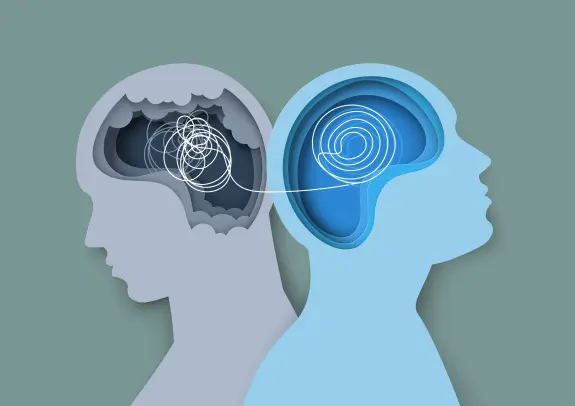
Psychedelic-assisted therapy (PAT) is the latest major innovation in mental health circles. Substances such as MDMA, psilocybin mushrooms, and ketamine have all been touted for their abilities to improve the symptoms of PTSD and depression, leading to a fast-growing revolution in crisis care.
Since psychedelic use has been prominent in some cultures for thousands of years as a way to connect with the self, spirit, and others, it’s long past time for modern society to begin honoring these substances as medicinal. A small movement started to take off in this area between the 1940s and 1960s, only to be shoved back into the closet by propaganda and harsh regulations for decades. Fortunately, we are finally seeing funded studies beginning to break real ground in researching how they work, catching up to what Indigenous peoples across the globe have known for generations.
Naturally, established governments worldwide aren’t typically on board with distributing hallucinogens to people willy-nilly. For the average person unwilling to break the law, this means psychedelics can only be accessed in a few ways.
One such way is PAT and integration experiences, which are currently legally available in countries such as the Netherlands, Denmark, Switzerland, Australia, Jamaica, or parts of the United States. For this new field to take off properly, though, there must be trained people ready and able to facilitate psychedelic experiences for the average person–this is where psychotherapists and psychedelic integration coaches come in.
What Are Psychedelic Integration Coaches?
Although psychedelic therapists and integration coaches work in a similar vein, they have several important distinctions.
Therapists typically provide the actual facilitation of the psychedelic journey. They have formal licensing to work in mental health and may have additional certification from the Multidisciplinary Association of Psychedelic Studies (MAPS), Fluence, or other schools with PAT training programs. They are able to diagnose illnesses or prescribe medications. For people with complex histories of trauma or mental illness, licensed therapists will often be better able to help with any difficulties that may come up during PAT.
In contrast, integration coaches provide support before and/or after the experience. They may not be formally licensed in healthcare – instead, they have likely completed a training program or certification in psychedelic integration, breathwork, or holistic healing. They are more like guides, providing a good match for people who are mentally stable and simply need help translating and using their psychedelic insights in their day-to-day lives.
Whether you choose a therapist or a coach, having some kind of integration care after a psychedelic experience is crucial. It brings intangible thoughts into a tangible reality, taking lessons from the trip and actively incorporating them into your routines.
Ketamine therapy provider Mindbloom explains this well, writing: “Psychedelic integration refers to taking the gained insights, emotions, or attitudes from your experience, and processing them into desired areas of your life. Integration as a general definition means ‘bringing parts together to make a whole.’ Psychedelic integration helps to achieve a sense of ‘wholeness’ clients seek through their set intentions for treatment.”
Psychedelic Integration: A Booming New Field
As psychedelic substance use explodes, it’s rapidly outpacing any potential regulation that governments can provide. Places like Australia, or Oregon and Colorado in the United States, are experimenting with creating new pathways for people to receive these treatments. Unfortunately, the majority of people still don’t have access to them. Others can’t afford to try – a round of PAT treatments can cost hundreds of dollars over several sessions.
But whether or not governments allow it, people are tripping. And, more and more, they want their trips to have a lasting, meaningful impact on their lives.
Psychedelic integration coaches offer a solution to this problem. They can be found all over the world, regardless of whether or not the country they live in actually offers legalized PAT. Because there is no official, formal licensing needed to start, they are usually more affordable and accessible than licensed therapists.
The lack of lengthy or expensive schooling to become an integration coach has created a massive influx of new people into the field. They may be therapists looking to expand their offerings, Indigenous shamans, harm-reduction advocates, or simply people looking to make a career change. This can be both a blessing and a curse: there are lots of excellent coaches out there with true experience in guiding people after psychedelic journeys. But some may, overconfidently, believe that just having taken psychedelics gives them enough credibility to lead others.
Even those who are fit and ready to become good, helpful coaches may fall victim to a common problem: the training programs. The rise of interest in psychedelic integration has directly correlated with a burst of programs promising to teach you how to become an integration coach. They may offer overly expensive certifications that only take a few days, promote unsafe practices, or fail to actually vet their students and ensure they learned the material. This can lead to an unfortunate chain reaction: a poorly trained coach mismanaging the sensitive psychedelic headspace, accidentally leading a client down a dark path into exploitation, destabilized mental health, or worse.
This problem isn’t entirely new – untrained, self-titled “shamans” have been around for years, taking advantage of ayahuasca-curious tourists in places such as South America. On top of the damage they’ve done to clients, they’ve also harmed the local Indigenous culture and tainted sacred knowledge. Fortunately, the majority of integration coaches aren’t tied to a specific culture or people, but they are capable of similar levels of spiritual harm on an individual level. To steer clear of this, it’s vital to do your due diligence when sourcing a coach.
Psychedelic Integration and You
Searching for a coach isn’t all that different from finding a therapist or doctor, but you’ll need to be prepared to do a bit more research. Check their experience with psychedelics, whether or not they specialize in one, how they provide services, and their cost. If you can, see any available client reviews.
The most vital piece of information will be their certification. One easy way to do this is to use a directory – MAPS, Nectara, Fluence, and more provide lists of vetted coaches. You can also review it yourself; look for certificates from comprehensive programs like the Psychedelic Coaching Institute, Be True To You, or Ignite Global, among others.
When you have your consultation, use this time to ask them as many questions as possible. Be sure to discuss the number of sessions, how they apply their training to their work, and what they are willing and able to provide. Be honest about your own needs, as this will impact how they work with you.
Most importantly: be open to their help. The coaching may look a little different than what you expected, or ask you to do some challenging personal work, but the benefits can be incredible when done right.
The entire psychedelic therapy field looks drastically different than it did even a decade ago, and it’s hard to predict what it will be like in another decade. Psychedelic legalization could continue to pop up in countries around the world, and psychedelic integration coaching may become a regulated industry with more common standardized training. Perhaps someday it will turn into a regular part of healthcare.
For now, it’s just exciting to see it take shape, and I hope it will one day be accessible to all.