

Introduction
The Myth of Inherent Growth
In the realm of psychedelics, the prevailing belief that every trip, regardless of its nature, contributes to personal growth is a notion that should be challenged.
While it is true that many psychedelic experiences have the potential to offer profound insights and catalyse transformative change, it is important to recognize that not all journeys lead to positive outcomes. The idea that there are no "bad trips" oversimplifies the complexity of our psyches and bodies, and the myriad ways in which they interact with these powerful substances.
In the depth of an experience, some individuals may find themselves caught in the grip of intense fear, overwhelming anxiety, or a disorienting sense of detachment from reality.
These emotions may not necessarily lead to insights or personal breakthroughs. Instead, they might leave participants struggling with no sense of learning.Acknowledging the existence of these experiences does not diminish the profound potential of psychedelics to facilitate growth and understanding. Instead, it enriches our understanding of the multifaceted nature of these substances, and highlights the need for a balanced perspective that takes into account both positive and negative experiences. This can help us to understand the importance of harm reduction and proper care as we work with these powerful mind-altering substances.
The Spectrum of Challenging Experiences

Within the landscape of possible experiences with psychedelics, experiences are not easily confined to a simple binary of "good" or "bad." Instead, they span a nuanced spectrum. While some may more clearly be labelled as ‘good’, if they involve feelings of joy, oneness, and euphoria, there may also be less clearly ‘good’ experiences that are still valuable or helpful, but that may include more challenging emotions such as sadness or fear.
Challenging emotions can show up during a psychedelic trip in a number of ways, and may not always lead to valuable experiences.
In some cases, individuals may find themselves stuck in a negative thought loop, struggling with an overpowering sense of fear, a haunting feeling of paranoia, or a distressing detachment from reality.
It’s important to mention that these challenging experiences do not always come with the profound insights that are often associated with psychedelics. They may not provide the anticipated revelations or personal growth. They can be experienced as an experience to be ‘endured’ and ‘got through’ rather than an experience to be learnt from. Afterwards a valuable useful lesson is not necessarily gifted to the journeyer.Of course, there may be learnings about how powerful psychedelics are, or how not to take psychedelics, But generally when people seek psychedelic experiences for healing, insight or growth, they are thinking about something deeper and more personal. And unfortunately it is possible to just experience negative emotions without any of these deeper lessons. In some cases some of these negative emotions may be linked to a previous trauma, and this is an important topic for potential explorers to be aware of.Retraumatization and Unresolved Issues

Whilst this mechanism and ability of psychedelics is what makes them so powerful, it is also where some of the risks lie. The experience has the potential to rekindle old wounds and amplify any existing emotional issues. In some cases, this can help to gain understanding, process, and ultimately gain some resolution on these issues and heal. In other cases, it may be too much to handle.
For individuals carrying unresolved trauma or emotional scars, the unearthing of these buried fragments can feel overwhelming and distressing.
If the individual is not sufficiently prepared to navigate this surfacing of previous experiences, or the force of these emotions is just too overwhelming, the surfacing of these emotions can do harm and even retraumatize.If one is not careful, or is underprepared, emotions like fear, anxiety, or helplessness can spiral down further into negative territory.
The risks inherent in psychedelic use highlight the importance of responsible use and the significance of preparation. And for those with unresolved trauma, some form of professional guidance should be a consideration.
The Importance of Preparation
Internal preparation involves setting clear intentions, addressing personal objectives, and processing emotional baggage, facilitated by practices like meditation and self-reflection.
Crafting a physical space that promotes comfort, safety, and tranquility is also key. Whether it's selecting a calming physical space, adorning it with meaningful objects, or ensuring the presence of empathetic companions, the setting for a journey should facilitate a more positive and enriching experience.
Equipping oneself with knowledge about the chosen psychedelic substance empowers individuals with agency and minimizes unexpected challenges.
Engaging with experienced guides or mental health professionals can further enrich the preparation as these individuals can offer invaluable insights and coping strategies.In essence, preparation is a deliberate act of respect and intention. It acknowledges the potency of psychedelics and aims to create an environment that minimizes the potential for harm, and maximises the potential for positive transformation.
Seeking Professional Guidance
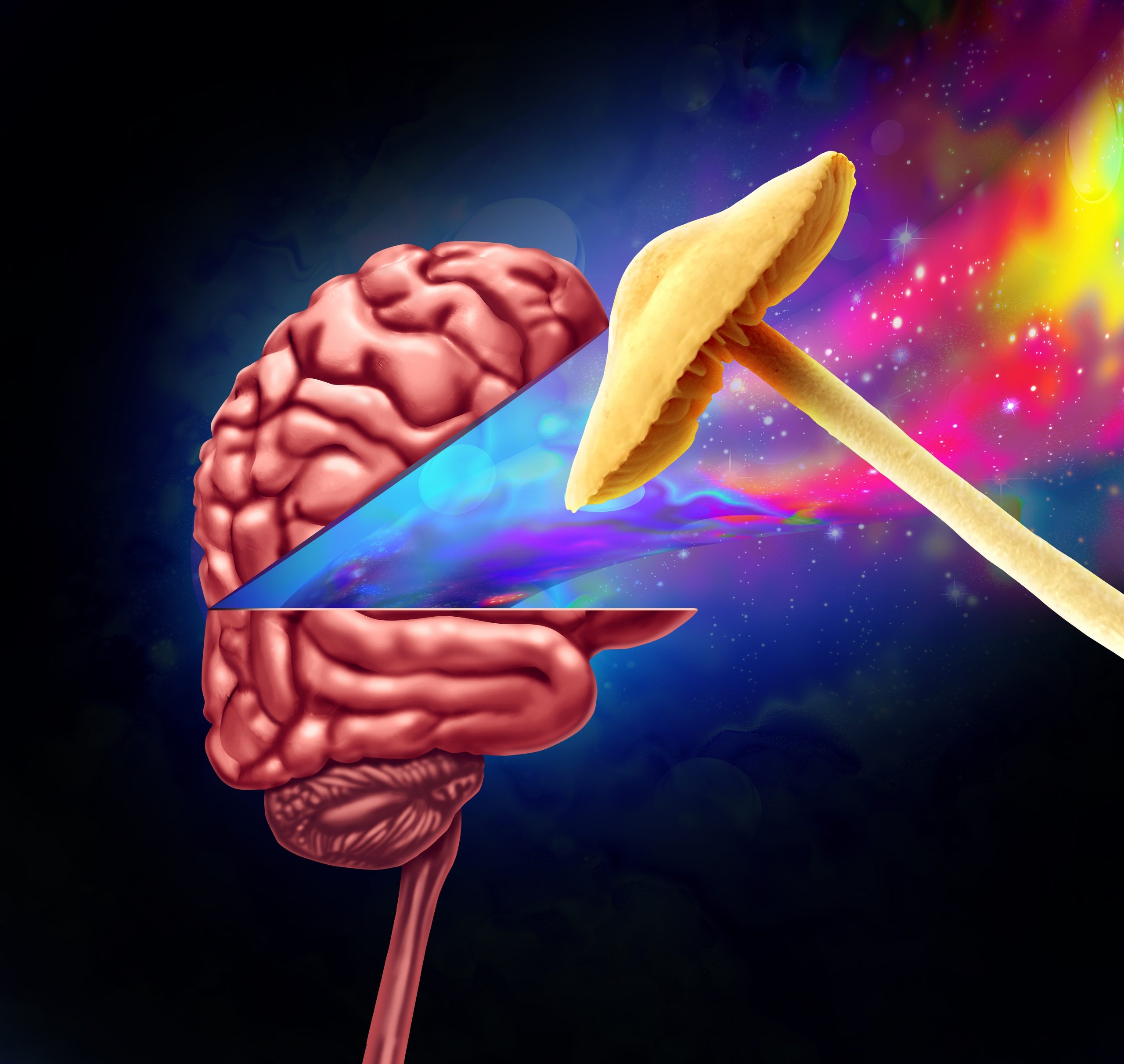
Then, during the session, the expertise and support of a tripsitter, therapist, or knowledgeable practitioner can be the key to unlocking a safer journey. The ability to move through the peak and anxiety of the psilocybin journey is an important factor for a successful therapeutic session and trained professionals can offer a compassionate and nonjudgmental presence. This can be especially valuable during the emotional waves of a psychedelic trip. Guides can provide reassurance, a grounded perspective, and practical coping strategies. This guidance can allow individuals to traverse unfamiliar emotional landscapes with a sense of security. This support can transform a potentially overwhelming encounter into an opportunity for self-discovery.
For those grappling with past traumas, unresolved psychological wounds, or complex emotional issues, professional guidance should be high on the list of considerations.
Therapists versed in psychedelic-assisted therapy can help individuals unravel and understand difficult emotions, work through retraumatization and facilitate a path toward healing.Beyond the session, professional support may extend beyond the trip itself and into the integration phase that follows. Some form of interpersonal support has been shown to be one of the most helpful strategies in the aftermath of challenging experiences by the Challenging Psychedelic Experiences project. If you are suffering from difficulties, remember that seeking the support of professionals is not a sign of weakness.
If you or someone you know is seeking support, check out another article on our blog: How To Find Support for Integrating Psychedelic Experiences.
Factors Influencing Bad Trips
Setting
The environment in which a psychedelic experience takes place can significantly influence its trajectory. An unfamiliar or uncomfortable setting can sow the seeds of unease. This can potentially lead to heightened anxiety or paranoia. Conversely, a carefully curated environment that nurtures a sense of safety and comfort can create a supportive backdrop for exploration.Company and Companionship
The presence of companions and/or tripsitters can play a pivotal role in shaping the journey's course. Supportive and understanding individuals can provide a sense of security, offering reassurance during moments of uncertainty. Conversely, a lack of empathy or a dismissive attitude from those around can amplify feelings of distress, steering the experience into darker territories.Set, or Mindset
A person's mental and emotional state prior to embarking on a psychedelic journey can have a big influence on the direction of the trip. Heightened stress, unresolved emotional conflicts, or pre-existing mental health conditions can magnify the intensity of a bad trip. It's crucial to approach psychedelics with care, especially when dealing with emotional baggage that might resurface during the experience.Knowledge (or lack of)
Sometimes, exploring uncharted territories can lead to unexpected challenges. A lack of familiarity with the substance, inadequate knowledge of its effects, or unrealistic expectations can set the stage for a disorienting or distressing encounter. Proper education, research, and understanding can empower individuals to approach psychedelics with a balanced perspective. A wikipedia for psychedelics, Psychonautwiki is a great place to learn more about different substances.Psychedelics’ Power and Unpredictable Nature
Psychedelic experiences can be highly unpredictable. Often, attempts to control or direct them are futile. What begins as a journey toward insight and growth can quickly take a turn into difficult emotional terrain. If one is unprepared for this, it can come as quite a shock and be very difficult to mindfully navigate. Acknowledging the potential for both light and shadow within these experiences allows us to navigate their complexities with greater resilience and humility.Understanding these factors that contribute to bad trips is not about fostering fear. It is about empowering individuals to approach their journeys with awareness and intention. By cultivating a supportive environment, surrounding oneself with the right companions, and addressing personal emotions, we can chart a course that is more likely to lead to growth, insight, and a deeper understanding of the self.
Final Thoughts

While growth is a common outcome, not every psychedelic journey unfolds as a positive transformation. It is possible for explorers to have negative experiences which actually harm rather than help them. This is important to remember when we discuss psychedelic experiences. And especially when hear the phrase:
There is no such thing as a bad trip.
Stay safe, journey well.