
Introduction
Where Does it Come From? is it Psychedelic?
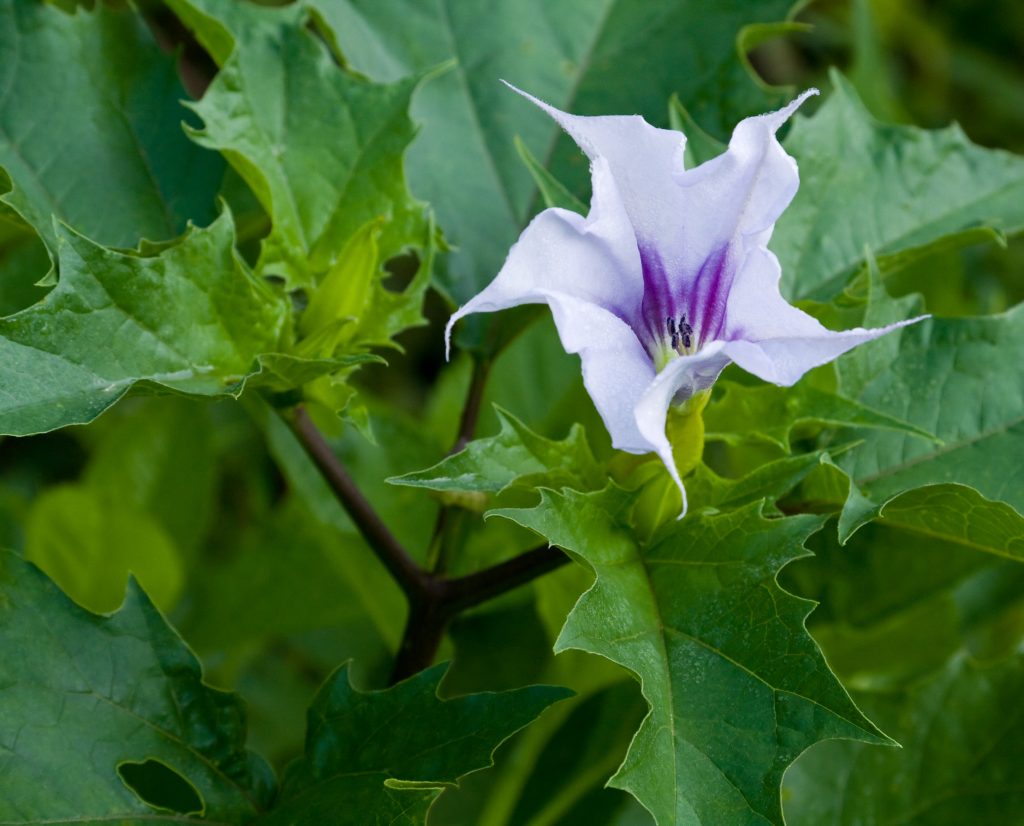
Datura stramonium (Jimsonweed): This species is native to North America but has become widespread globally. It can be found in many regions, including North and South America, Europe, Asia, and Africa. This species is perhaps the most well-known and widely distributed.
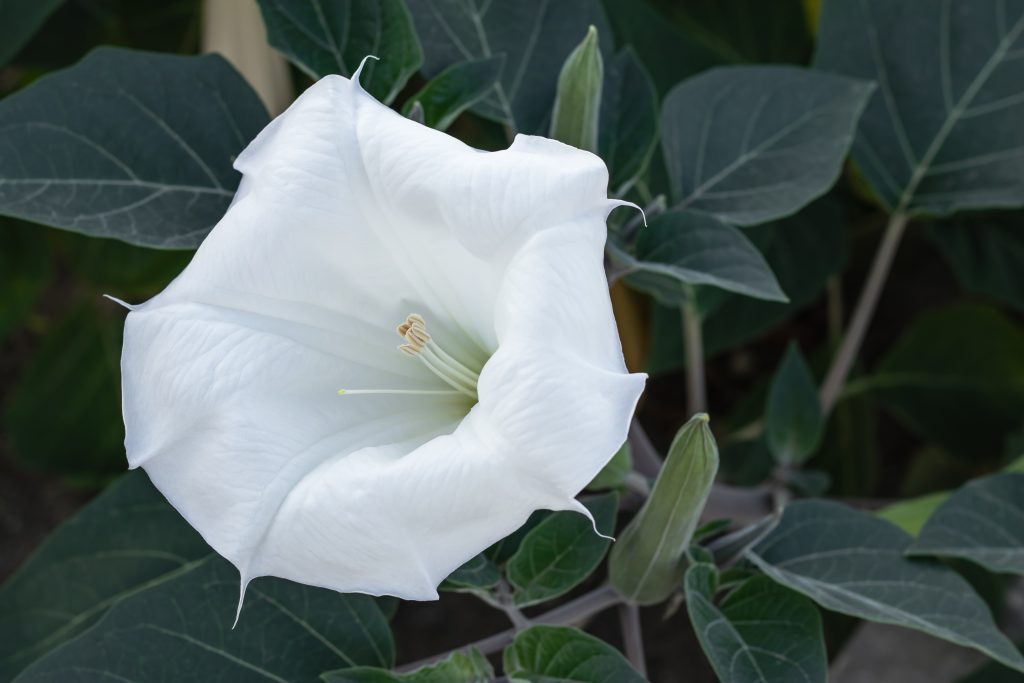
Datura innoxia (Moonflower, Thorn Apple): Native to Central and South America, Datura innoxia has spread to other parts of the world. It is often cultivated as an ornamental plant. Another species that has been reported to have psychoactive effects, Datura inoxia is known for its large, white, trumpet-shaped flowers.
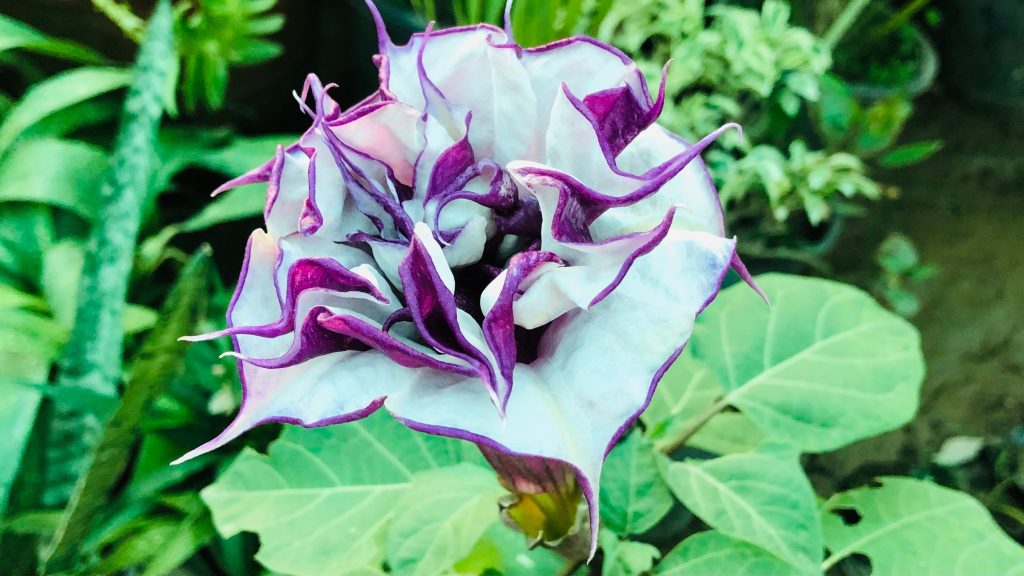
Datura metel (Devil's Trumpet): Native to Southeast Asia, Datura metel has been introduced and cultivated in other regions for its large, trumpet-shaped flowers. While primarily grown as an ornamental plant, Datura metel has also been used for its psychoactive properties in some cultures.
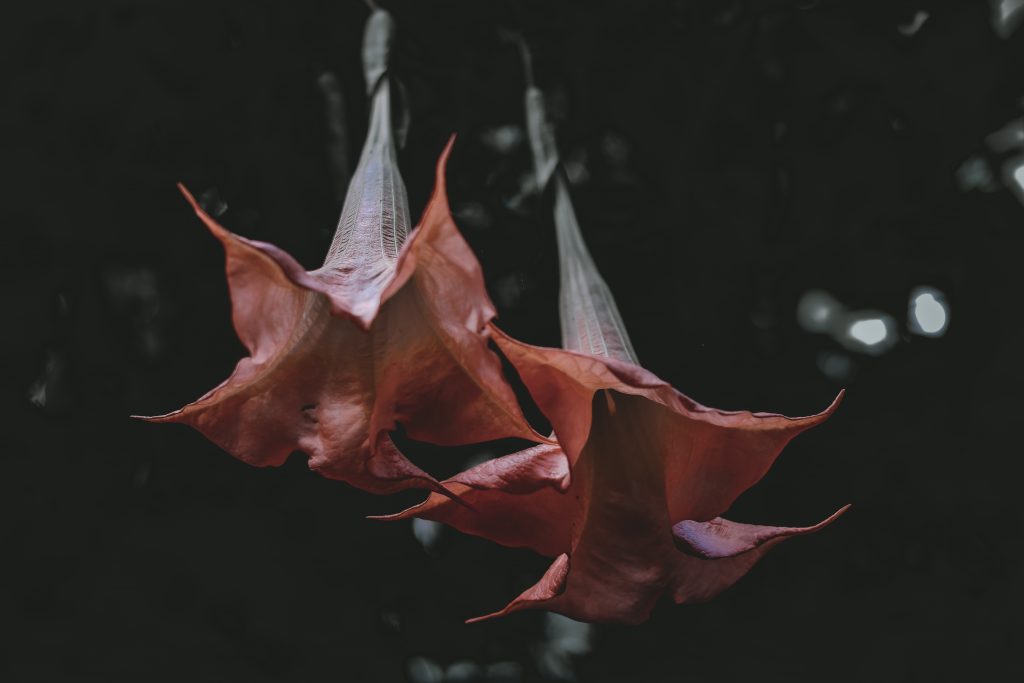
Datura wrightii (Sacred Datura): Native to the southwestern United States and Mexico, Sacred Datura is found in arid and semi-arid regions. It is known for its hallucinogenic effects.
Chemical Constituents
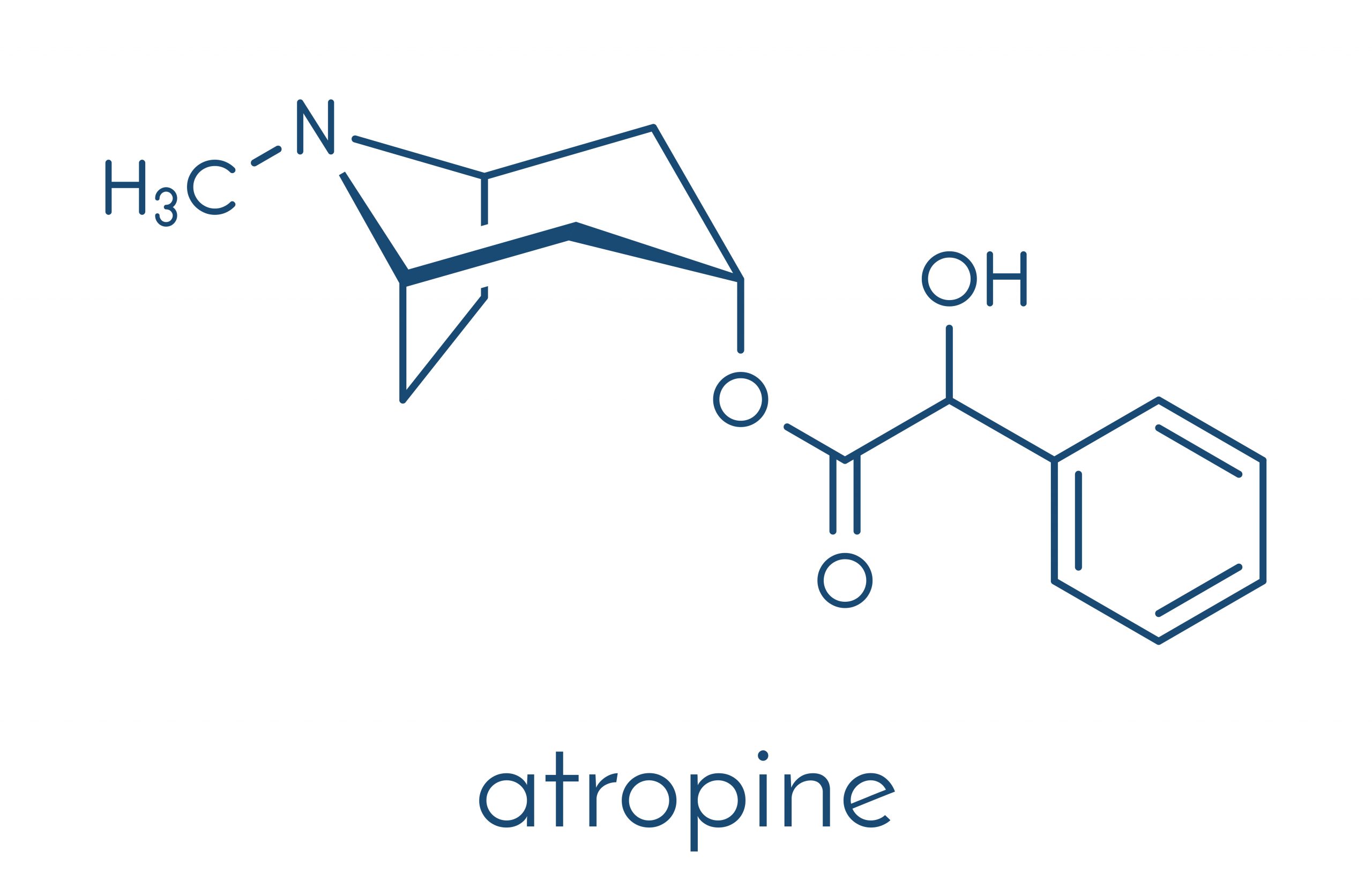
Atropine: Atropine is a tropane alkaloid known for its antimuscarinic properties, affecting the parasympathetic nervous system. It can lead to pupil dilation, increased heart rate, and dryness of mucous membranes.
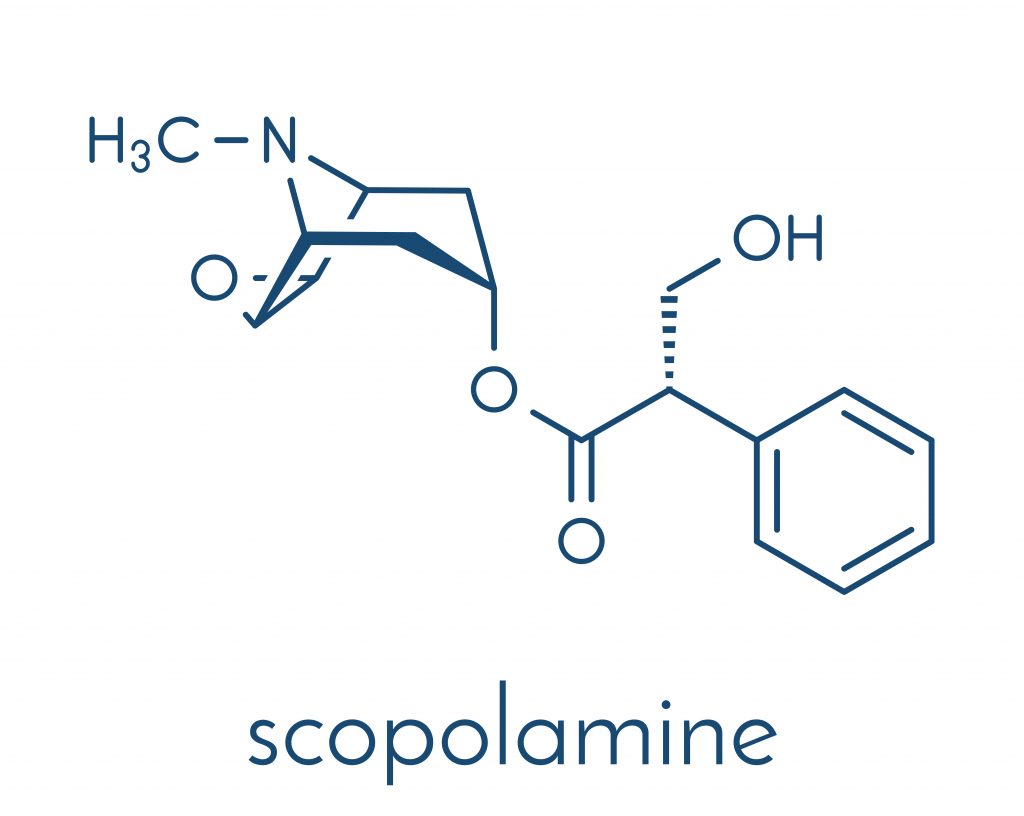
Scopolamine: Scopolamine is another tropane alkaloid with psychoactive effects. It can cause hallucinations, sedation, and amnesia. Scopolamine is known for its potent antimuscarinic properties.
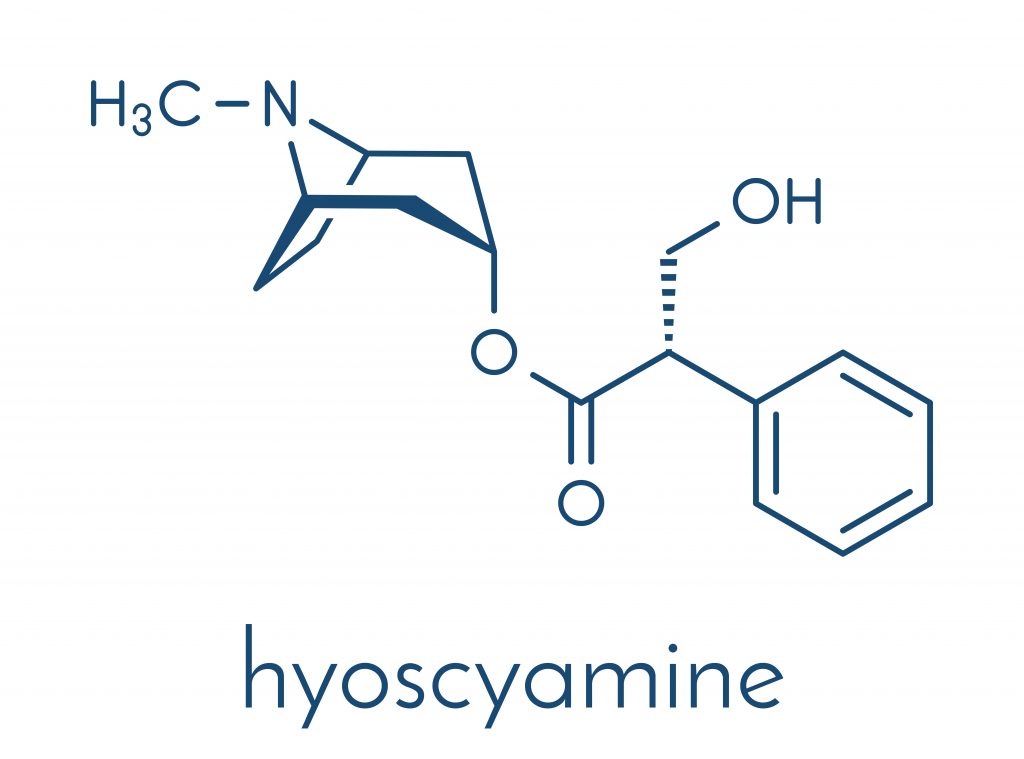
Hyoscyamine: Hyoscyamine is a tropane alkaloid that shares similarities with atropine and scopolamine. It also has antimuscarinic effects, contributing to the overall psychoactive properties of Datura.
The tropane alkaloids, the key psychoactive elements, are not evenly spread throughout the Datura plant. They are secreted in different amounts in various parts:
- Seeds
- Leaves
- Flowers
- Roots
Contraindications for ingesting Datura

The potential interactions between Datura and medications are broad, and the list may not be exhaustive. The anticholinergic and hallucinogenic properties of Datura's tropane alkaloids can interact with various classes of medications.
Antiarrhythmics: Datura can have effects on heart rate and rhythm. Combining it with medications for heart arrhythmias or other cardiovascular conditions may lead to heightened cardiovascular effects, including increased heart rate.
CNS Depressants: Datura can have sedative effects. Combining it with central nervous system (CNS) depressants, such as benzodiazepines or opioids, may result in increased sedation, respiratory depression, and other adverse effects.
MAO Inhibitors: Monoamine oxidase inhibitors (MAOIs) are a class of antidepressants. Combining Datura with MAOIs may result in increased blood pressure and other serious adverse effects.
Antipsychotics: Datura's hallucinogenic properties may interact with antipsychotic medications, potentially intensifying cognitive and psychiatric effects.
Antihypertensive Medications: Combining Datura with medications used to lower blood pressure may lead to increased blood pressure or counteract the effects of antihypertensive drugs.
Anticoagulants: Datura's effects on blood circulation may interact with anticoagulant medications, potentially increasing the risk of bleeding.
Antidiabetic Medications: Datura may affect blood sugar levels, and combining it with antidiabetic medications may interfere with their efficacy.
Anticonvulsants: Datura's potential to induce seizures may interact with medications used to treat epilepsy or other seizure disorders.
Antidepressants and Mood Stabilizers: Interactions with Datura may exacerbate the effects of medications used for mood disorders, leading to increased sedation or altered mental states.
Antiemetics: Combining Datura with medications used to prevent nausea and vomiting may lead to enhanced anticholinergic effects.
Bronchodilators: Datura's potential effects on the respiratory system may interact with medications used for asthma or chronic obstructive pulmonary disease (COPD).
Certain Antibiotics: Some antibiotics may interact with Datura, leading to increased anticholinergic effects or potential toxicity.
How is Datura taken?

Oral Ingestion: Consuming Datura orally is one of the most common methods. This can involve chewing the seeds, leaves, or roots, or preparing them in various ways, such as teas or infusions.
Smoking: Some cultures historically smoked Datura by drying the leaves and incorporating them into smoking blends. Smoking Datura exposes the user to its psychoactive alkaloids through inhalation.
Topical Application: In some instances, Datura has been applied topically, with crushed leaves or extracts used on the skin. This method is less common but has been reported in certain traditional practices.
Datura's Cultural Significance
Datura weaves a rich tapestry in many cultures, deeply ingrained in specific contexts and revered for its sacred role in various traditions. Cultures approach Datura with caution, guided by experienced individuals like shamans, acknowledging its potential dangers. This plant serves as a tool for accessing altered states of consciousness and connecting with the spiritual realm, demanding respect and sensitivity in cultural interactions. Navigating Datura's significance requires a deep understanding of its cultural and spiritual weight, extending beyond its psychoactive properties.
As we explore the historical connections between Datura and diverse cultures, let us tread with utmost respect and acknowledgement of the profound traditions that have shaped its role in human history.
Navajo: The Navajo people have historically used Datura, known as "toloache," in healing ceremonies and rituals. It is believed to have the power to connect individuals with the spirit world.
Pueblo Tribes: Some Pueblo tribes, including the Kawaiisu, have utilized Datura in ceremonial contexts, considering it a sacred plant with spiritual significance.
Lakota Sioux: The Lakota Sioux are reported to have used Datura in vision quests and spiritual ceremonies to induce altered states of consciousness.
South American Indigenous Cultures
Datura has been used by certain indigenous groups in South America for shamanic purposes. In some cases, it is considered a tool for divination and connecting with the spirit world.
In European folklore, Datura has been associated with witches and magical practices. It is believed that witches may have used the plant in potions or rituals for its psychoactive properties. Making what was known as flying ointment.
Hallucinations and Delirium - What is the Difference?

Terence McKenna describes the experience as being more delirium than Hallucinatory.
Both hallucinations and delirium involve the Thalamus, a relay station for sensory information. Disruptions in thalamic function can contribute to hallucinations and can contribute to the altered perception and confusion seen in delirium.
Also the Frontal Cortex. Higher cognitive functions related to judgement and interpretation of sensory input are influenced by the frontal cortex. Dysfunction in this area may contribute to misinterpretations leading to hallucinations. Delirium involves disturbances in attention, awareness, and cognitive function. The frontal cortex, responsible for executive functions, is often affected.
Substances like scopolamine and atropine found in Datura affect the cholinergic system in the brain. For example, scopolamine blocks muscarinic receptors, leading to various effects such as hallucinations and delirium.
Neurotransmitter Release: Acetylcholine is released from nerve terminals and acts as a neurotransmitter, transmitting signals across synapses, which are the junctions between nerve cells (neurons).
Receptors: Acetylcholine binds to specific receptors called cholinergic receptors. There are two main types of cholinergic receptors:
Nicotinic Receptors: Found in the CNS, PNS, and at neuromuscular junctions. They are named after nicotine, as nicotine from tobacco binds to these receptors.
Muscarinic Receptors: Located in the CNS and various target organs in the PNS (such as the heart, smooth muscles, and glands). They are named after muscarine, a compound found in certain mushrooms.
Functions in the Central Nervous System (CNS): Acetylcholine plays a role in memory, learning, and arousal in the brain. Dysfunction in the cholinergic system has been implicated in conditions such as Alzheimer's disease, where there is a significant loss of cholinergic neurons.
Functions in the Peripheral Nervous System (PNS): In the PNS, the cholinergic system is involved in transmitting signals to muscles and glands. For example, at the neuromuscular junction, acetylcholine facilitates the contraction of skeletal muscles.
Autonomic Nervous System (ANS): The cholinergic system is a major component of the autonomic nervous system, which controls involuntary bodily functions. In the ANS, acetylcholine is involved in the parasympathetic division, often referred to as the "rest and digest" system. It slows heart rate, stimulates digestion, and promotes relaxation.
Recurring Themes
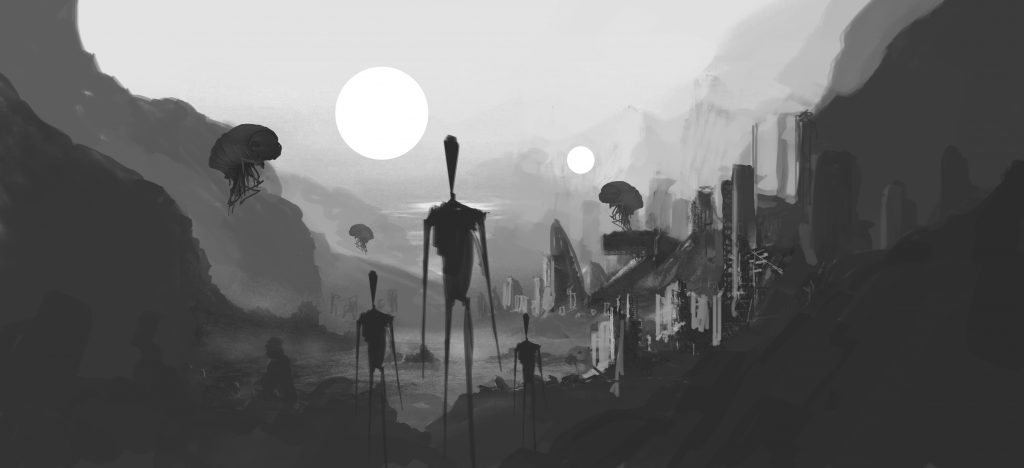
Delirium and Confusion: A prevailing theme is the profound confusion and disorientation that users often experience. The line between reality and hallucination becomes blurred, leading to difficulties in distinguishing between what is real and what is imagined.
Imagery friends may not be nice by Ryan.
This is about the time i could not distinguish my imaginary friends from real people. I began to talk to people that weren't there the entire following day. The fact that they would talk to me for 5 minutes and then disappear was not unusual for me.
Nightmares in Flux Dutura by Jaymz
I went into my bedroom and got online to check my email. Suddenly I saw a miniature version of myself walk out of my monitor. He sat down on my computer desk and started talking to me.We had a very deep conversation about life, love, and many other things. Then, he told me that I needed to go get some water. I went to the bathroom and filled a cup up with water and a bottle cap for my little friend. I went back to the room, and my little friend was gone.
Time started to slow down, slower and slower, until it eventually stopped. Everything around me was suspended in time. My cat was frozen, my totem pole who was talking to me just a minute ago, was now frozen in time with his mouth open in mid-sentence.
I no longer live in the real world. By into life slumber.
Then a woman walked from my bedroom, a woman I had never seen before. I remember her like I remember my own name. She was soooo beautiful, her hair was a vibrant dark red, her deep green eyes were full of compassion and warmth, she looked at me like a daughter would look at her father after a long embrace. When she spoke she didn't move her mouth, rather, I would understand what she was communicating to me without using words. She was the spirit of my plant.
Speaking in Tongues. Thinking the conversation was normal only to be told they were speaking Gibberish.
Trouble urinating. This seemed to be true for a lot of people.
Interestingly a final theme that seems to be recurring in people's experiences is smoking cigarettes.
Many people report a never-ending cigarette and how lovely and enjoyable smoking is.
This makes perfect sense when you see that part of the Cholinergic system includes Nicotinic Receptors.Quote From Late Night Parties and Everlasting Cigarettes, by Anonymous
For some odd reason I always had a cigarette in my hand that would never go out or need to be ashed. So my attention went from the mirror to my hand where a freshly lit cigarette sat waiting to be smoked. This made me feel all warm and fuzzy inside. I smoked and smoked and smoked and again the cigarette never burned down any.
Closing thoughts
In my humble opinion, although fascinating, I believe Datura is a plant that should be avoided. It simply doesn't seem worth the risks. Instead of providing a genuine high, it appears to transport individuals into unfamiliar territories that mirror but warp their regular reality. Few seem to experience profound, mind-opening revelations, and many emerge confused, vowing never to partake again.
The plant's unpredictability and limited benefits make it a dubious choice.
Datura trips can stretch for days, leaving individuals feeling ensnared in an unending nightmare. Its poisonous qualities raise concerns about its impact on the body and mind. Most trip reports I've read involve people unaware of the intense and unpredictable adventure awaiting them, disbelieving that a plant from their neighbourhoods could lead to such wild experiences.I believe there are numerous plant medicines in our magnificent world that offer more worthwhile and agreeable experiences.