
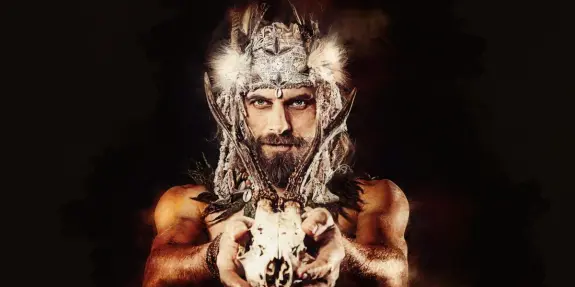
What is a Self-Proclaimed Shaman?
Self-proclaimed shamans are people who call themselves shamans, and promote themselves as such, but often have no connection to the traditions or cultures they claim to represent. They are people without a shamanic lineage or training in shamanism. (In traditional societies, shamanic training varies in length, but it generally takes years; you don’t become a shaman after an intensive, multi-week course.) In some cases, self-proclaimed shamans do have some connection to the culture they claim to represent, but others belonging to that culture view them as exploiting cultural knowledge for the sake of ego, money, status, fame, power, or sex.
The self-proclaimed shaman, therefore, can be either an Indigenous or non-Indigenous person. They often use the trappings of Indigenous shamanism (e.g. Native American and Amazonian symbols and terms) to sell ceremonies or to foster personal gain in other ways (e.g. promoting their spiritualised or psychedelicised egos). On the one hand, referring to yourself as a shaman may feel sincere, based on a recognition of one’s own – or others’ recognition of your own – ability to navigate altered states and support others’ navigation of these spaces.
On the other hand, it is legitimate to be wary and sceptical of the self-proclaimed title of ‘shaman’, especially since this title is based on an individual’s self-assessment and not the assessment of a shamanic teacher or culture. Many (Western) organisations do offer intensive shamanic training, but these may only last a matter of weeks; so there is a danger that some students will self-identify as shamans after completing these courses, positioning themselves as experts as guides for others’ altered states of consciousness. And this expertise may not be at all justified.
The Rise of the Self-Proclaimed Shaman (and Why This is Troubling)
Self-proclaimed shamans have increased in numbers in concert with the rise in the popularity of ayahuasca (and psychedelic ceremonies/retreats more generally). Andrea, a student from Lima in Peru, told Grazia:
Whenever people hear I am Peruvian now, they don’t only mention Machu Picchu but also Ayahuasca. They are eager to know if I have taken it and how it was. I usually disappoint them by saying I haven't, and telling them how important it is to respect the ceremony and realise the importance and intensity of the whole experience – which means not doing it in the US or London with a white 'neo-shaman'. Foreigners own most of the new retreat centres. Consequently, lot[s] of pseudo-shamans have arisen – not just gringos [white foreigners], but also Peruvians from Lima, people with indigenous heritage, and even people from indigenous communities. But none of them have been prepared to conduct the ceremony or provide proper support to participants. They decontextualise and modify the Ayahuasca ceremony, not only because it is taken out of the environment where the plant is from, but also because some aspects of the ritual (or even the whole ritual itself) are modified to fit the modern western rational[e].
[T]he ritual and its different aspects (such as the "ícaros" or sacred chants sang by the shaman) are not just accessories, but part of the healing "power" that Ayahuasca provides. It also occurs in the environment where the plant grows and together with a community that has a key role in providing the containment needed during the healing process, which doesn't occur only while you are taking it. Everything is entangled; one can't exist without the other. Many people don't have proper information, are not well-prepared for the ceremony, and unaware of the consequences it might have on their lives.
We should be concerned about the rise of self-proclaimed shamans because, as Tripsitter stresses, “Plastic shamans market themselves and their services despite minimal training and often demonstrate a blatant disregard for both safety and ethical boundaries upheld by Indigenous tradition.” Their pursuit of monetary or egotistical gains, combined with their disregard for safety and ethics, makes them particularly dangerous to work with.
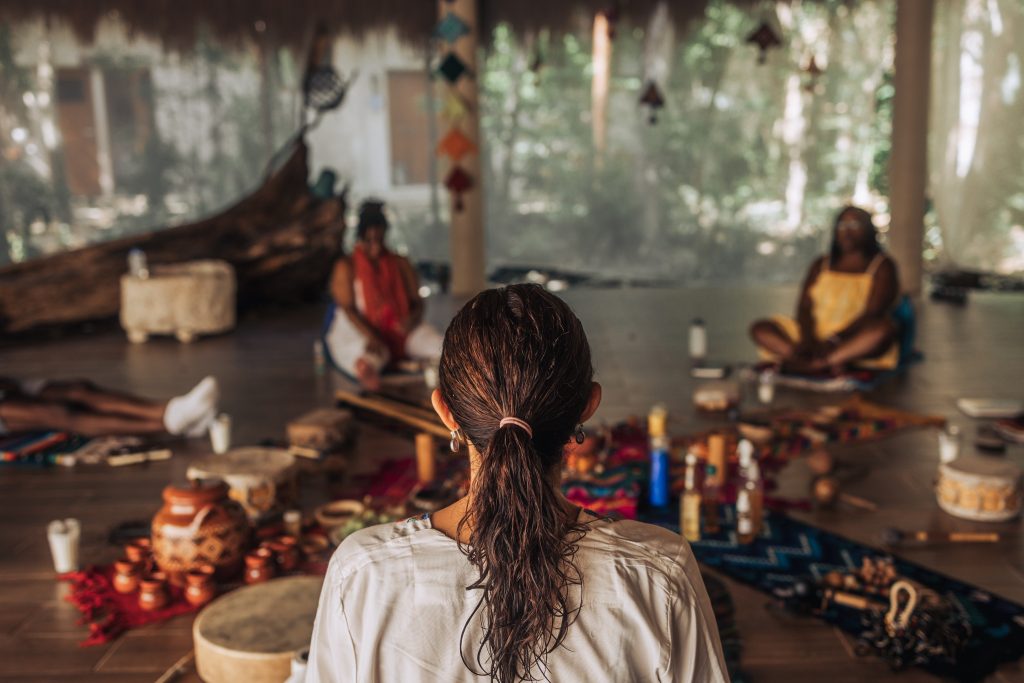
All of this means that one has to be extra careful when choosing to join a psychedelic ceremony/retreat and work with someone who identifies as a shaman. I wrote a piece for Psychedelic Support about how to identify trustworthy retreats (and avoid shady ones), and some of this tackles the subject of shady shamans. Anyone thinking of joining a psychedelic retreat should first familiarise with the shaman(s) as much as possible. You should feel convinced that they will prioritise your safety, interests, comfort, and well-being. Read as many reviews of the retreat centre as possible: Do these consistently describe the shaman as warm, skilled, and dependable? (Also be conscious of the fact that some reviews are more like testimonials, requested from participants by the retreat organisers.) In the article for Psychedelic Support, I emphasise:
Of course, any facilitator, guide, or shaman can build a rosy picture of who they are and what they offer. Separating fact from fiction—or authenticity from rhetoric—can be difficult, especially when someone is essentially promoting their services. Trusting your gut, intuition, and instincts matters in these situations. Don’t ignore this reaction if you feel uneasy about what you’re reading or seeing. Be skeptical if a facilitator makes unsupported claims or big promises, focuses on selling themselves, or shows signs of an inflated ego.