What is Real?
Other Realms
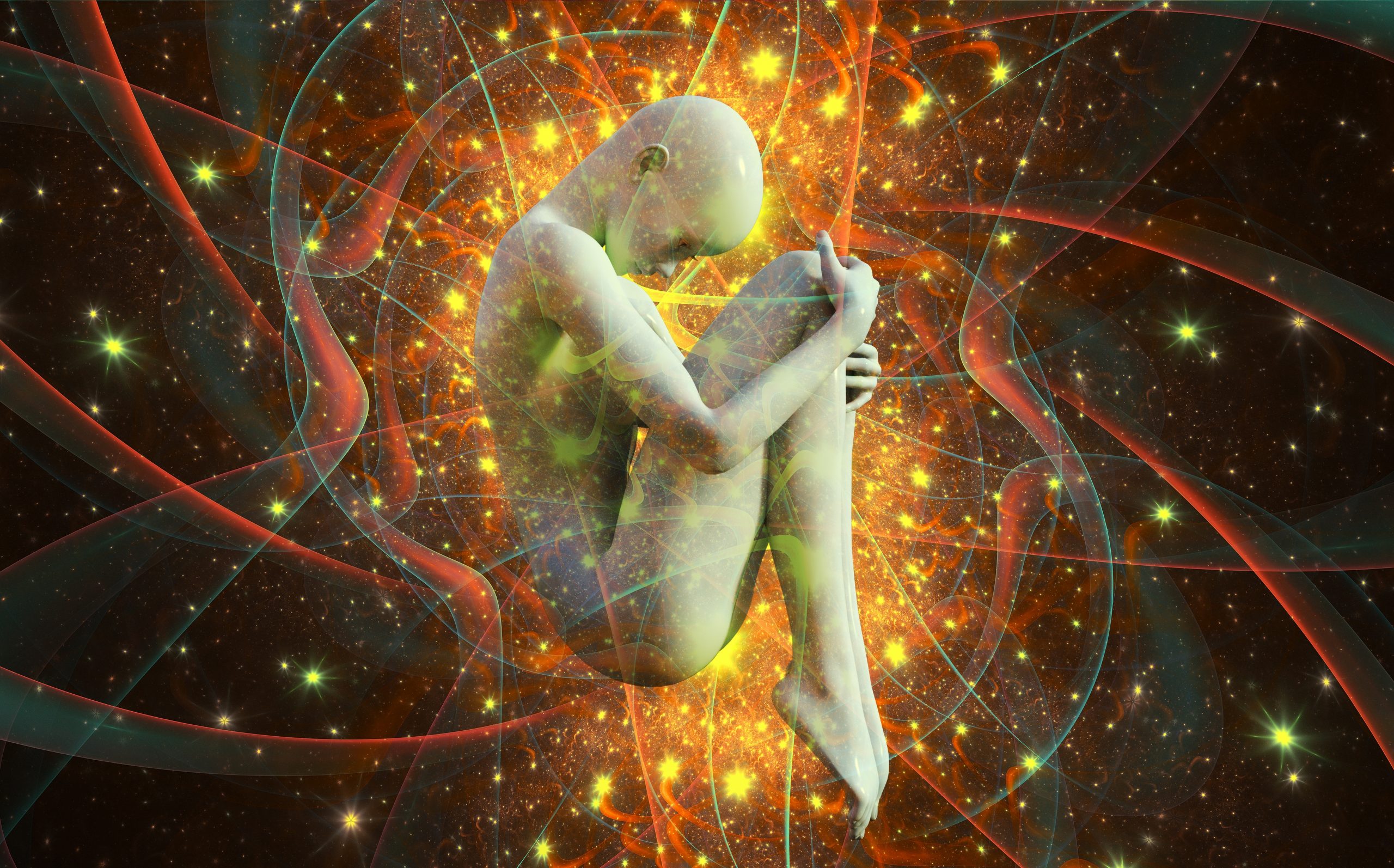
Through my own experiences I have felt complete detachment from, not just my own body, but also what we might refer to as the four dimensional reality that we experience every day. This has taken me to many different places, many of which felt completely authentic.
I have drifted through an endlessly shifting geometric cosmos. A floating point of awareness for what felt like hours. Watching cathedrals of pulsating glass fold and expand into ever more complex shapes. I have temporarily existed as part of an otherworldly community, lived as a bizarre gelatinous slug. I felt what it was like to be a part of their strange hexagonal environment and the unfathomable receptacle they extracted nourishment from.
I have explored various gargantuan rooms, some filled with infinite swirling colour with no apparent rhyme or reason. Others, factories imbuing matter with consciousness. I know all of this taken together sounds like the ramblings of a pretentious tripper, but it all happened. Whether it was all in my head or otherwise, I experienced it, and it felt real. Not only that, it changed my life.
Hyperspace
The Astral Plane
Virtual Reality
Virtual Reality is advancing at an alarming rate. More advanced hardware and increasingly powerful computers are pushing the boundaries of how immersive these systems can be. When we factor in the emergence of artificial intelligence, it's not hard to believe that within our lifetimes, VR worlds may become indistinguishable from our waking lives. It is not out of the realms of possibility that one day technology may replicate the profound, reality shifting experiences psychedelics offer.
The same parameters are applied to this discussion - if your experience is virtual, is it real? What if people chose to live in a virtual realm for their whole life? Would the simulated world become their reality?
Defining Reality
The Spiritual Perspective
If we look back at ancient ideas of the composition of reality, we see different definitions.
In Buddhism the concept of reality is known as ‘dharma’ and is extremely complex. Ultimately, reality is considered a form of ‘projection’ - a result of the fruition of karmic seeds. The precise nature of this illusion is debated among different schools. Dzogchen for instance posits that reality is literally ‘unreal’. The Tibetan Buddhist master, Namkhai Norbu, explains that,
“In a real sense, all the visions that we see in our lifetime are like a big dream…”
In this context, the term 'visions' denotes not only visual perceptions, but appearances perceived through all senses, including sounds, smells, tastes and tactile sensations.It seems that since the concept emerged people have been wrestling with the definition of reality, and the answer is never black and white. While psychedelics have been an integral part of the creation of these definitions, for many cultures, they are not the sole catalysts used to bring about reality shattering events.
Out of Body or Into Mind?
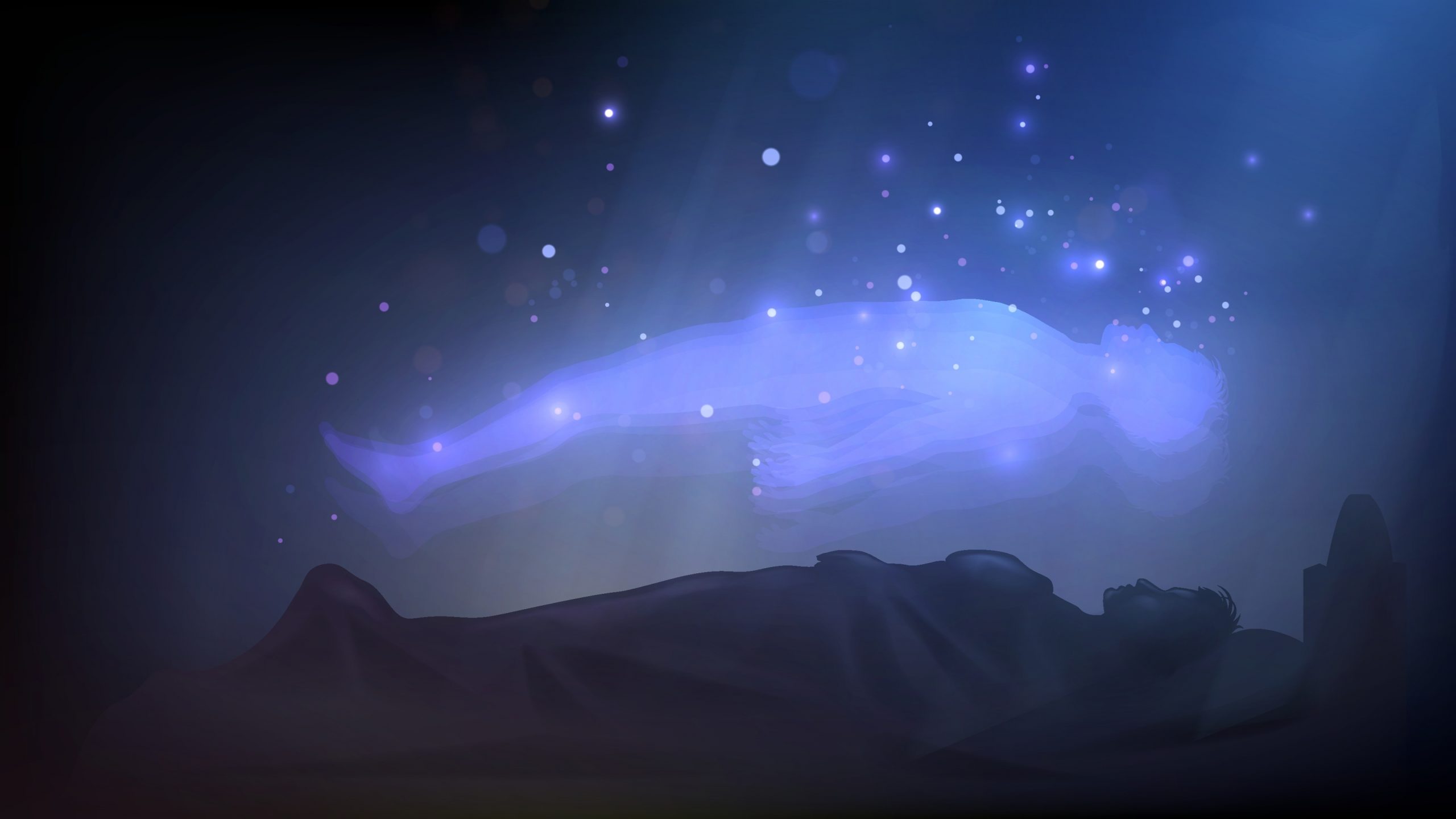
Throughout history individuals have developed many techniques to achieve what we could call ‘out of body’ experiences. Varied forms of meditation have been used to escape the confines of flesh and bone, but depending on who you ask, the journey can be outward or inward.
Astral projectors will say they can generate a body made of light - or some other primal energy - and leave their physical body behind. Some even report communing with the spirits of past relatives and friends and tackling unresolved issues from their lives among the living.
Remote viewers say they can project their awareness to far off places within the physical world with some claiming they can go as far as other planets and even galaxies. As a side note, the American government sanctioned research into this phenomena for decades, with the express intent of gathering information that was otherwise unavailable to them. It was designated Project Stargate. Their motivation? The fact that Russian intelligence services were doing the same thing and felt they had to respond or risk falling behind their enemies. Unsurprisingly the project was officially shut down in the ‘90s due to unreliable data.
Faith or Science?
Throughout human existence, monks and dedicated believers of many faiths have described visions, dreams and fantastical inner journeys, achieved through deep prayer or meditation. Experiences of angels, demons and even the very gods they revere. Often rife with religious symbolism and prophecy, these experiences have been used to justify wars, crusades, and the conquering of kingdoms. In 1453, Mehmed II besieged the ancient city of Constantinople believing a prophecy that whoever took the city would be blessed by Allah. The conquest was ultimately successful when the city, which was considered the heart of culture and civilisation, fell. Here we see the ‘non-physical’ having a hand in altering the course of history.
Former NASA physicist, Thomas W. Campbell, is a well-known out of body explorer who has created an entire mathematical framework around his experiences outside of the physical realm. After decades of shifting his consciousness to other states he wrote, My Big Theory Of Everything, in which he lays out this framework. In his own words:
“It unifies science and philosophy, physics and metaphysics, mind and matter, purpose and meaning, the normal and the paranormal.”
The book is a must read for anyone interested in other realms.All of these experiencers claim to have brought something back with them, new information, new data, inaccessible from their physical forms, and oftentimes this new stream of input brings about self-improvement of some kind. New ideas to improve their waking lives or provide comfort where before there was pain. If you can change your life for the better by experiencing other realms, whether outward or inward, is that not something real?
Experience is What Matters?
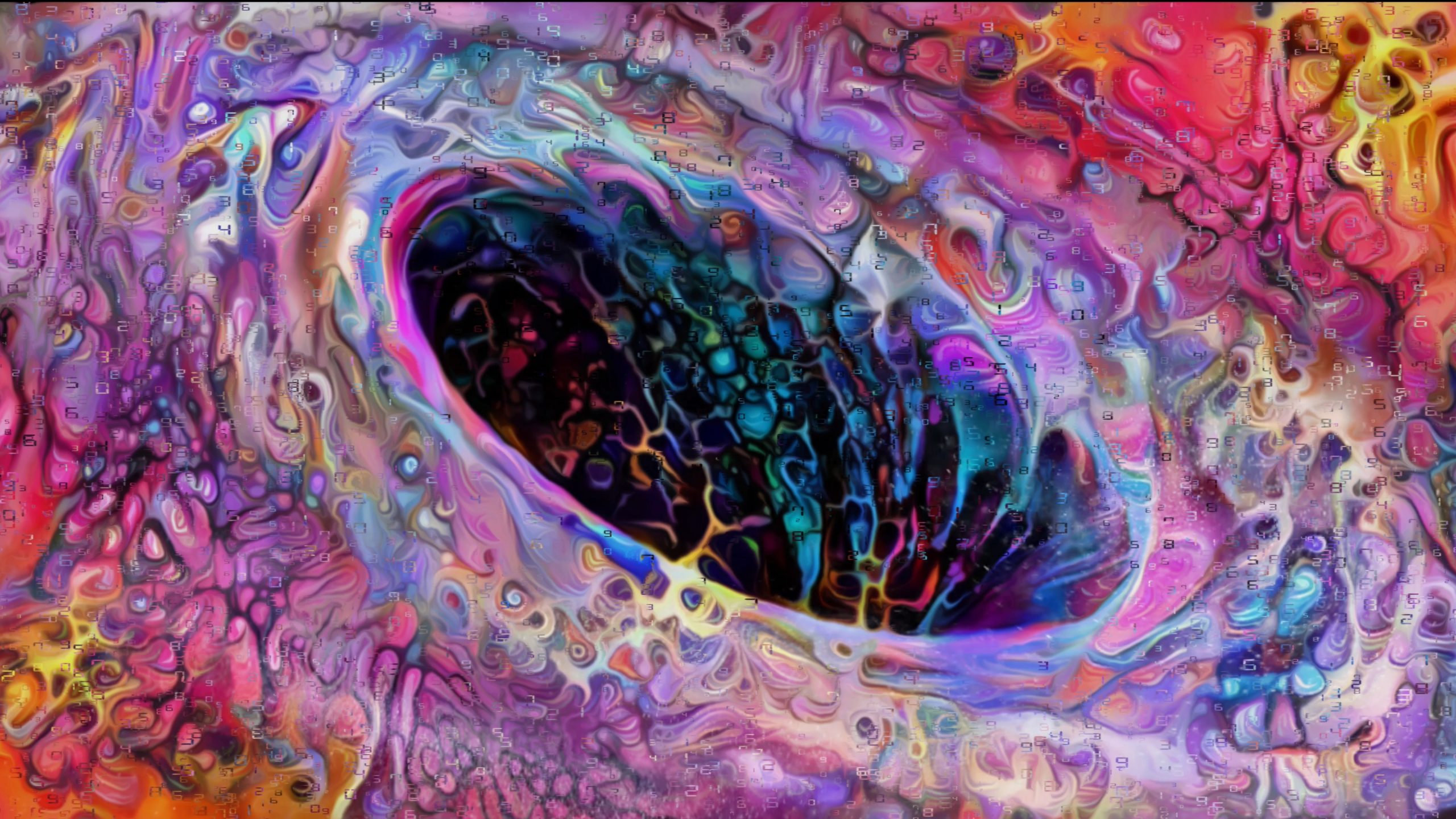
If we can see the sights, hear sounds and feel our emotions change, is that real? That is how we interpret the reality we live in. Our bodies are equipped with an array of sensors that act as data inputs. These inputs are interpreted and compiled to create our everyday, waking world. No more than the sum of a series of electrical signals pulsing through our bodies. Many scientists believe the world is no more than a complex holo-fractal projection, a hallucination. One we have collectively agreed to call reality because it is our default state.
Consciousness is complex. Some scientific interpretations of reality, in which observation collapses the wave function, suggest that consciousness is a fundamental force of nature. Other interpretations say that consciousness is an emergent phenomena, brought about through the evolutionary process, but the truth appears to be that no one truly understands the mechanics of waking reality.