Martha Allitt

Martha is a freelance writer and journalist specialising in psychedelics, ketamine, and mental health. She has a degree in neuroscience and frequently writes about alternative treatments, bridging modern research with spiritual and traditional beliefs around healing. Martha is also co-owner of the UK Psychedelic Society, curating and facilitating events in Bristol, and volunteers with the psychedelics welfare organisation PsyCare. She is currently making a documentary about Datura, a psychedelic flower known for bizarre experiences, with a rich history of use among different traditions. Outside her psychedelic work, Martha is a yoga teacher and enjoys doodling.



Profile photo of the author Martha Allit.
Martha Allitt traces the history of mescal bean cults among Native American groups in the Southwest, examining their use in purification, war rituals, and initiation ceremonies, and how they likely paved the way for peyote's later spread before largely fading from use today.
While certain substances like scopolamine and classical psychedelics induce a state of suggestibility that has been historically exploited by criminals for coercion and weaponised by the CIA, this same neurological openness and reduction in critical defences can also provide therapeutic benefits.
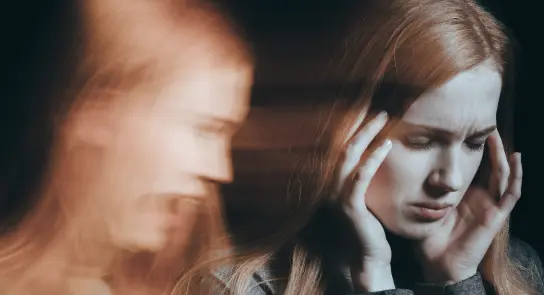
Auditory hallucinations encompass a diverse range of externalised sounds - from human voices to ambient noises - that carry vastly different meanings depending on the individual and cultural context.
Martha Allitt reflects on the fear of ageing, prompting her to ask others about how psychedelics shape our relationship with growing older.
Martha Allitt unpacks the history of MK-ULTRA, a secret CIA program that conducted unethical experiments with LSD, hypnosis, and other techniques in an attempt to develop methods of mind control and psychological manipulation during the Cold War.
Martha Allitt unpacks the history of trepanation, a surgical procedure in which a hole is drilled into the human skull - one of the oldest known surgical interventions. It's still performed today, though often for different reasons than those in the past.
While psychedelics are commonly known for amplifying emotions and deepening subjective experience, they can occasionally lead to emotional blunting - a sense of numbness or detachment that contrasts with their typical effects.